The short answer
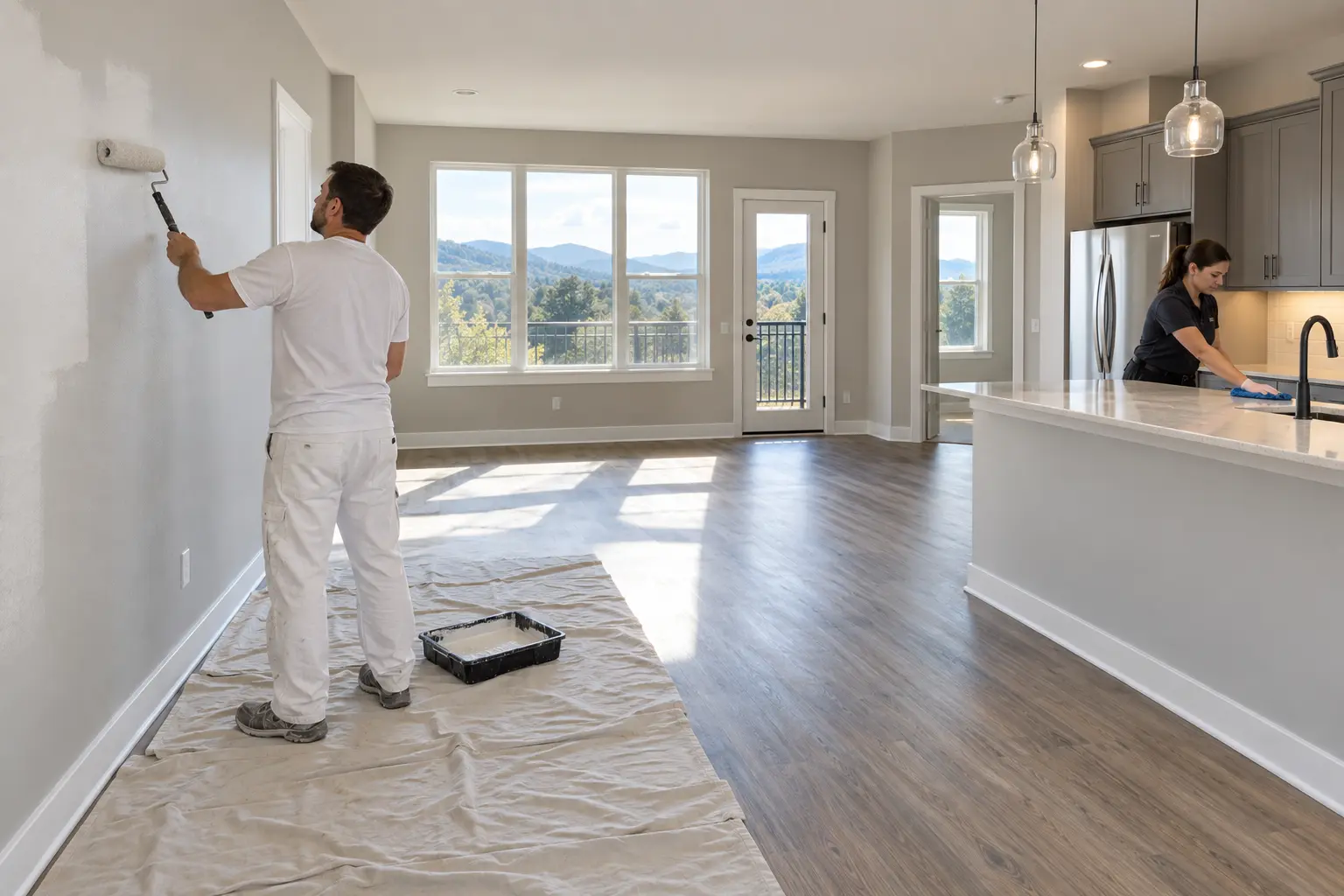
A dependable unit turn is a sequence, not a pile of unrelated work orders. Inspect first, authorize repairs, complete drywall and painting, finish the make-ready clean, and perform the final property inspection before the move-in deadline.
Begin with one documented move-out inspection
The first walkthrough should capture unit number, floor plan, move-out date, target rent-ready date, access instructions, utility status, wall and ceiling condition, flooring, appliances, fixtures, cabinets, and any property-specific checklist. Photos help distinguish normal turn work from damage that needs separate approval.
Property teams benefit from agreed condition categories, such as standard, color change, heavy wall repair, or heavy-condition cleaning. The names can match the management company's existing system. What matters is that the field team and approving manager use the same definition before scheduling labor.
Separate standard work from damage and upgrades
A standard repaint or clean should have a repeatable scope, but not every vacant unit is standard. Large drywall holes, water staining, smoke or odor conditions, excessive debris, damaged doors, failed cabinets, and resident-selected colors can change the work. Renovation upgrades should also be kept separate from ordinary turnover pricing.
Items outside the baseline should be photographed and communicated before extra work proceeds. A simple approval path—who can authorize, how quickly they respond, and what spending limit applies—prevents both schedule delays and surprise invoices.
Put drywall, painting, and cleaning in the right order
Maintenance and required repairs normally come before finish work. Drywall patches need to be completed, dried, sanded, and primed before the walls receive finish paint. Painting should be substantially complete before the final make-ready cleaning so dust, drips, masking debris, and ordinary work residue are not left for the incoming resident.
Some overlap may be possible across different rooms, but the handoff points should be clear. If cleaners arrive before sanding is complete or painters return after the final clean, the unit may require a second visit. One coordinated schedule reduces remobilization and protects the leasing deadline.
Define the painting standard by surface and condition
The work order should say whether the unit needs touch-ups, one-room work, walls only, or a full repaint that also includes ceilings, trim, doors, and closets. It should identify the approved color and sheen, who supplies paint, how strong color changes are handled, and what counts as a drywall repair rather than ordinary preparation.
Touch-up is not always visually dependable. Existing paint age, batch differences, sheen, wall porosity, cleaning, sunlight, and previous repairs can make touched areas flash. Property managers should agree in advance on when a full wall or full room is required so the final inspection uses a consistent standard.
Define the make-ready clean room by room
A useful cleaning checklist identifies approved tasks for kitchens, appliances, bathrooms, cabinets, counters, fixtures, interior glass, baseboards, closets, floors, and final touchpoints. It should also state whether carpet cleaning, exterior windows, balconies, debris hauling, or specialty conditions are excluded or assigned elsewhere.
FullScope provides turnover cleaning for apartment communities and professionally managed multifamily properties. The scope can stand alone or be coordinated after approved drywall and painting work. Heavy-condition units or tasks outside the agreed checklist should be documented for separate authorization.
Build the schedule backward from the lease date
Start with the required final-inspection time, then allow space for cleaning, paint drying, drywall finishing, maintenance, material delivery, access, and corrective work. A unit promised to a resident needs more than a crew start date; it needs an achievable completion sequence with responsible contacts at each handoff.
For recurring turns, share a rolling list that includes unit, floor plan, move-out, target completion, scope category, approval status, key or lockbox process, and onsite contact. Portfolio operators can use the same framework across multiple communities while preserving each property's colors, checklist, and inspection standard.
Use the final inspection to improve the next turn
The property representative should inspect the approved scope under normal lighting and record any punch items promptly. Repeated issues—such as missed cabinet interiors, inconsistent touch-up expectations, late access, or unreported drywall damage—should become checklist improvements instead of recurring disagreements.
FullScope can review a community's unit types, expected turn volume, painting and drywall standards, make-ready checklist, communication process, and service area. That walkthrough creates the basis for a repeatable vendor relationship rather than pricing each unit from zero.
Ready to discuss your property? Explore Multifamily Property Services or request a free estimate below.